All you need to know about the biggest stories in sports and how to bet on them, sent straight to your inbox.
Sent twice weekly so you can stay on top of what’s good in sports.
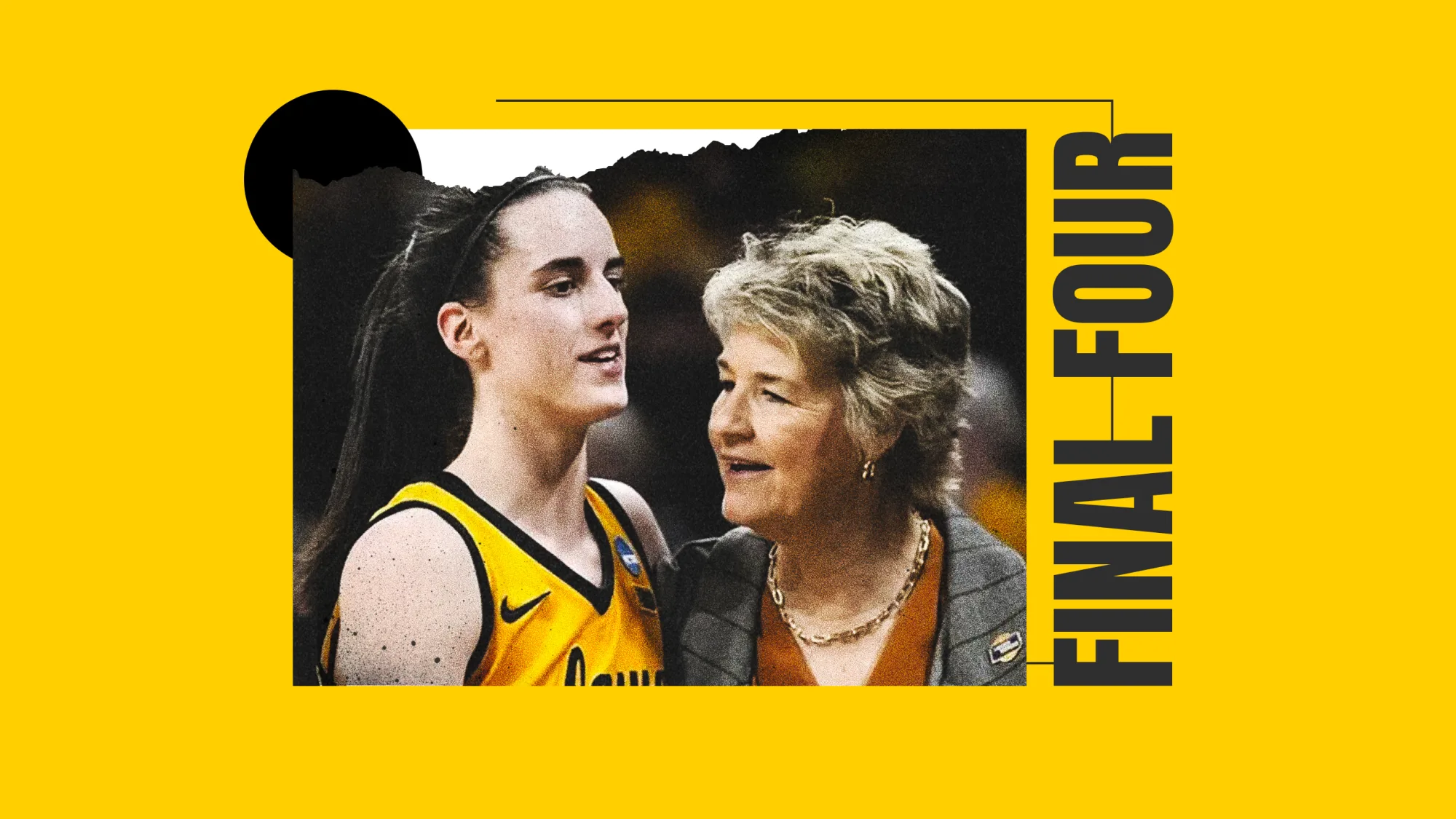
It feels fitting to write about the shape the Dallas Mavericks are in while on the way to Dallas, not for the Mavs, but because it took hurtling toward their home city, host to the more compelling, more exciting, more competent teams set to compete in the NCAA Women’s Final Four, to haul the Mavs up anywhere close to top of mind.
To be fair, I was tasked with this tall order: Can you make sense of what’s happening to the Dallas Mavericks? It’s a heavy lift that isn’t helped by the first issue within the ask — the tense of the question.
To ask what’s happening with the Mavs suggests that any of the problems overrunning the team, the myriad dysfunctions, are new — that the recency of issues aren’t so deeply rooted that to remove them won’t compromise the entire crumbling foundation, laid deep and shot through with so many fissures and fractures accumulated over time that the team is functioning on a lilt, has been for a while. The better way to approach the question is to set the tense right and present what’s happened to the Mavs, because at least then we can catalog artifacts of proof in action and not wade through constantly shifting sands of doublespeak.
“[We] probably should have been booed in the first quarter,” Mavs coach, Jason Kidd, said in his March 24th postgame of the team’s confounding effort against the Hornets, and the Dallas crowd’s response to it. “We can’t come out like that, especially this time of the year.”
I’ve got bad news for Kidd, who all season has presented like the grasshopper in the ant and grasshopper fable, wiling away his summer until winter arrives and, unprepared, freezes to death while the ants hunker down and feast: the playoffs are here, and you’re not currently in them.
Coaching friction isn’t anything new to the franchise.
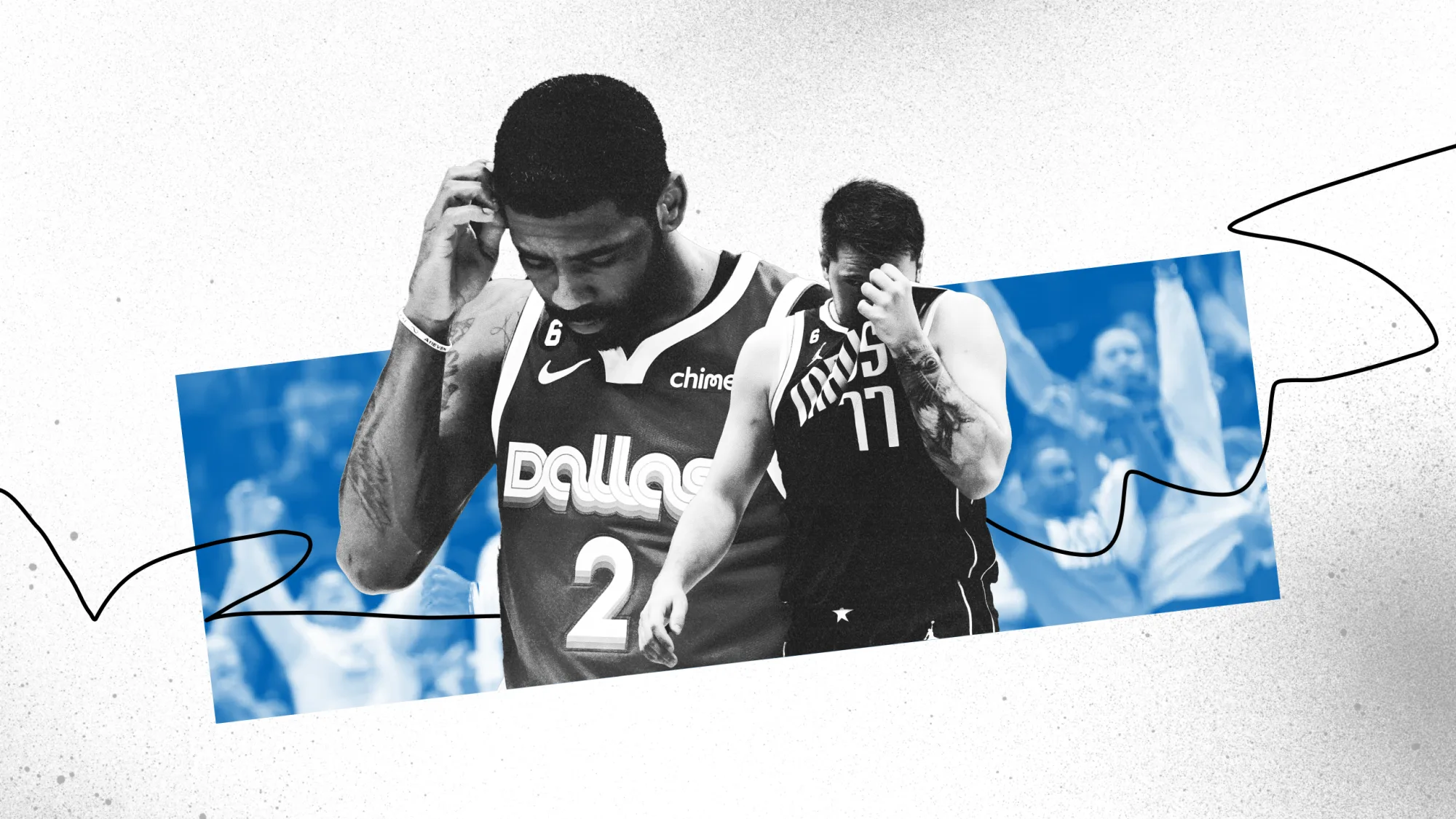
Before the Mavs lost five of their last six games, before Kyrie Irving referred to where Dallas sits in their struggle for contention as a “clusterfuck” and the team’s typically cocky polestar of Luka Doncic admitted he was definitely not having fun out there; before they acquired Irving at the deadline and went 7-9 over 16 games with him on the floor, before the team sunk to 23rd in the league in their overall defensive rating (115.7), before Kidd called his team’s efforts dogshit in a very public-facing forum — the Mavs were, in Kidd's words, "coming out like this."
Coaching friction was a thing even before Kidd arrived, though. Doncic and former head coach, Rick Carlisle, were known to have tension between them on and off the floor. Carlisle’s rigid expectations in his players and the stern way he communicated that responsibility didn’t always align with Doncic’s own smirking sense of identity. There were times when, once Doncic got his first few seasons under his belt and saw what kind of control his sheer talent alone could sway, asking him to do more (pitch in on the defensive end, be a better facilitator) resulted in flat out refusal and rained down petulance for days. The difference between Carlisle and Kidd is that at the very least, Carlisle was asking. Kidd, with his coaching M.O.s ranging from winging it to wait and see, never has.
It’s one thing to call out your team, but even the gruffest coaches use the tactic sparingly. For one, without a baseline of communication and trust, the criticisms ring hollow to the ears they’re meant to fall on. Second, as much as they can weigh on, callouts wear off.
If there’s a through-line feeling to Kidd’s tenure with the Mavs thus far, it’s confounded. He’s consistently confounded with the team in the ways they don’t intuitively respond to him when he hasn’t asked and the ways they (weird!) do not respond when he throws them under the bus for their lack of psychic powers. The second-year Jason Kidd coaching experience, a phenomenon aptly named by CBS’ Jasmyn Wimbish, is by now rote. A coasting first season getting by on the merits of roster talent and assigning any hiccups or bad stretches to everybody getting used to each other, followed by a second season of accelerating doom, where those first-year excuses, still used, don’t make any sense.
Kidd has called this Mavs team young, saying in mid-February, “Us as a team we have to mature. We have to grow up if we want to win a championship.” Of players seeing any significant minutes within the roster, only Doncic and Josh Green are under 30. Green is literally one man, and Doncic is as complete a superstar as they come. Meanwhile, Kidd has stood idly by while any leads the Mavs manage to scrounge are chipped away at or outright demolished, stubbornly refusing to make adjustments that feign at combining all the advanced scouting available to him with the on-the-fly ingenuity he’s praised himself for, then chalks those close and avoidable losses to the shrugging whims of fate.
When Kidd said, point blank and sincerely, earlier this season, “I’m not the savior here. I’m watching. I’m not playing, I’m watching just like you guys”, we absolutely should have believed him.
Ironically, throughout this last desperate stretch of the Mavs season collapsing, most of the team has been playing well. Irving has been a reliable shooter and generous passer, filling in for Doncic when he was injured and facilitating. Reggie Bullock tends to dig in when and where the team needs him to, Green’s been an energizer and Dwight Powell lends quiet stability when the wheels could have otherwise fallen off.
The team’s AWOL efforts on the defensive end of the floor aren’t the sole reason for their great and total failure, either. The Kings, clinched at 3rd in the West and more vital than ever, sit one spot under the Mavs at 24th in defensive efficiency with a rating of 115.9. Lackluster-to-absent defense doesn’t help Dallas’ downslide, but it isn’t the only persistent issue at play.
Long-standing problems have long-standing causes.
For the Mavs, the franchise climate has been one of shifting blame and back-pocketing responsibility for years. We talk often, and probably too much, about team culture, but Dallas hasn’t done much to redeem itself in the aftermath of rampant and serious allegations of sexual misconduct within the organization and the blind eye that was turned to them, for years, from the top down. The lack of consideration, or care for those considerations, by Mavs owner, Mark Cuban, and team president, Nico Harrison, hiring Kidd in the first place felt like a strange and immolating way to turn over a new leaf.
Harrison has — very recently — praised Kidd, saying he’s done “really well” and “really dug into being positive” with the miserable position the team’s in.“It's easy to start pointing fingers,” Harrison said, “I think the guys can feel the positive energy and again, I think he's been in a tough position.”
Aside from being a blatant lie, there comes a point in taking responsibility where it’s necessary to point fingers. To admit that things aren’t working and try very hard to look for common denominators in an effort to figure out why. The Mavs problems don’t start with its front office and end with Kidd, or uninspired play, or the assumption that all these disparate elements would just automatically coalesce in an environment like the current NBA where it’s not enough to follow old blueprints like stacking stars to be good when to just be good in this league a team now has to, actually, be great. Has to be dynamic, be willing to take intelligent risks rooted in long-term intention and clarity of identity. Has to do the boring stuff like its homework and ask for, as well as give players reason to give, incessant and enthusiastic buy-in.
The identity of the Mavs, and where they go from here
The nebulous identity of the Mavs is perhaps best summed up by comments two of its most prominent people recently gave. Before he called the Mavs’ situation a clusterfuck, Irving posed some more ephemeral and open-ended questions, “Who is our coaching staff as people? Upper management, who are they as people?” He asked. “The big question, why they traded for me? And what does it look like for the future? That’s the big question. What does our future look like?”
Harrison, after likening Doncic and Irving to a “Ferrari and a monster truck”, not specifying who was which only calling both “amazing and awesome machines”, said, “Then it's like, 'OK, how do these guys who are — I don't want to say role players — but filling a role, how do they fit in?’"
How and whether they do after this season, assuming Irving stays, are both critical questions. Still, these are too many questions for a team several seasons into its run as a would-be western powerhouse, all of them hypothetical and hinging on the unsaid, like the willingness of the front office to be honest about shortcomings of accountability and effort, not limited to Kidd but currently being hemorrhaged by him, and the storied history of delusion within the organization.
This is not a franchise in motion, what’s happening here already has. To get somewhere better they’ve got to exist in the present, in hard-edged reality, they’ve got to get the tenses right.